
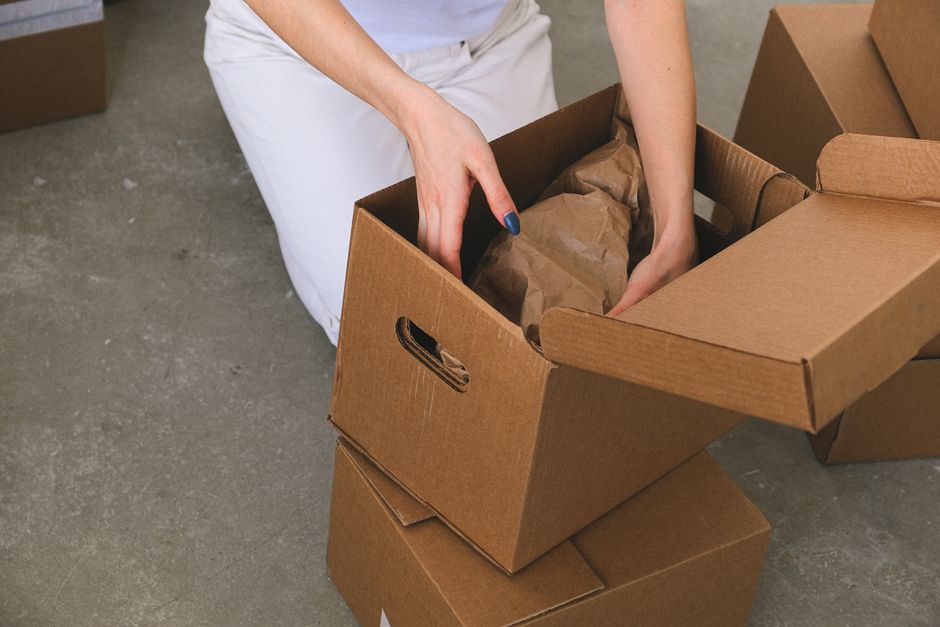
Learning how to pack boxes efficiently is the single most valuable skill you can acquire before a house move. It is the difference between arriving at your new home with every plate intact and your books in order, versus opening box after box of shattered glass, crushed lampshades, and the slow-dawning horror that you have no idea where your kettle is. For UK movers, the challenge is often compounded by narrow Victorian staircases, tight hallways in terraced houses, and the nagging worry about deposit deductions for scuffed walls. This guide sets out a complete system: what to buy, how to load, how to label, and how to make unpacking feel less like an archaeological dig through your own life.
Table of Contents
- Why Efficient Packing Matters (And What It Costs You if You Get It Wrong)
- Step 1 – Gather the Right Supplies (Without Overspending)
- Step 2 – The Golden Rule of Weight Distribution
- Step 3 – Sealing and Stacking Like a Professional
- Step 4 – The Colour-Coding System That Saves You Days
- Step 5 – Packing the Essentials Box (Your First Night Survival Kit)
- Eco-Friendly Packing Hacks (Save Money and the Planet)
- Common Packing Mistakes to Avoid
- When to Call the Professionals (Middleton Moving Ltd)
- Frequently Asked Questions About Packing Boxes
Why Efficient Packing Matters (And What It Costs You if You Get It Wrong)
Poor packing technique is not just an inconvenience. It leads directly to broken belongings, wasted time, and a higher risk of physical injury. When boxes are overloaded or badly sealed, they collapse in transit. Fragile items packed without proper cushioning shift during the journey and crack under pressure. The industry standard, cited by multiple UK removal firms including Three Counties Moves, recommends keeping each box between 10 and 15 kg. Exceed that, and you are asking for a strained back or a box that tears itself apart the moment someone lifts it.
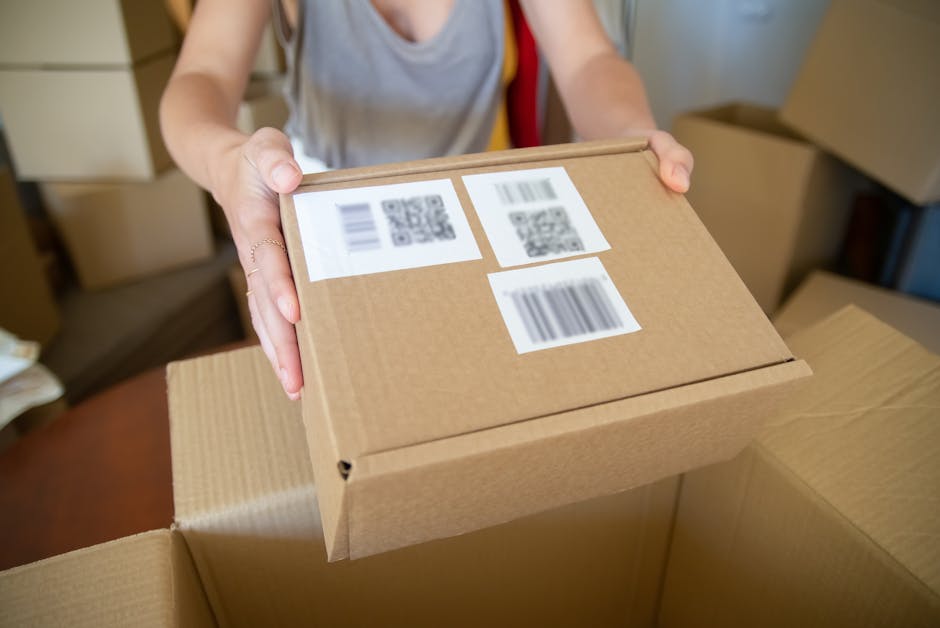
There is also a financial cost to getting it wrong. Buying too many large boxes because they seem like better value leads to overpacking and breakage. Using cheap parcel tape instead of heavy-duty packing tape results in burst seams and repacking at the roadside. Efficiency here means speed paired with protection. Rushing through the job without a system simply creates more work later. A methodical approach, starting with the right materials and a clear plan, saves money on replacements and spares you the physical toll of a badly managed move.
Step 1 – Gather the Right Supplies (Without Overspending)
Choosing the Correct Box Sizes
The most important rule of box selection is simple: heavy items go in small boxes, and light, bulky items go in large boxes. Books, tools, tinned food, and kitchenware belong in compact boxes that force you to stop before the weight becomes unmanageable. Duvets, pillows, cushions, and soft toys can fill the largest boxes without ever approaching the 15 kg limit.

Sourcing boxes from a single supplier, or reusing identical ones from a previous move, makes stacking far easier. Reddit users on the r/moving forum consistently point out that uniform box sizes allow you to build stable, interlocking stacks in the removal van, reducing the chance of shifting during transit. For those looking to reduce waste, renting plastic moving bins from companies like Gorilla Bins is an increasingly popular option in the UK. These stack securely, protect contents from damp, and eliminate the need to dispose of cardboard afterwards. They are especially practical for flats with lift access, where wheeled crates can be moved quickly without straining door frames.
Tape, Tools, and Padding
Use only heavy-duty packing tape for sealing boxes. Masking tape and standard parcel tape lack the tensile strength to hold a loaded box together during a move. Reinforce the bottom of every box with a cross-pattern of tape before you add a single item. This single step prevents the most common and catastrophic packing failure: the bottom giving way as you carry the box through the front door.
Budget for cushioning materials realistically. Bubble wrap is essential for glass, ceramics, and electronics. Packing paper provides lightweight filler between layers and stops items from rubbing against each other. Strong bin bags work well for soft goods and can double as emergency waterproofing if rain is forecast on moving day. A clever hack from DW Removals suggests using egg cartons to organise jewellery. Nestle rings, earrings, and necklaces into the individual cups, and you eliminate the infuriating tangle of chains that usually results from tossing everything into a bag.
Step 2 – The Golden Rule of Weight Distribution
Every box you pack should follow the same internal logic: heaviest items at the bottom, lightest on top. This keeps the centre of gravity low and prevents the box from tipping or crushing its own contents. When you place a stack of books at the base of a small box and layer lighter items above, the structure remains stable. Reverse that order, and the heavy items will shift downward during transit, pulverising whatever sits beneath them.
Do not overfill boxes. Leave a small gap at the top, roughly the width of your hand, so the flaps can close flat without bulging. A bulging box cannot be stacked securely, and the pressure on the tape seal increases dramatically. Once the box is full, place a hard, flat item on top of the final layer. This technique, recommended by experienced mover Sheila Meggs Gibbons, uses a book, a baking tray, or a piece of stiff cardboard to create a solid surface. When you press down, the box should have no give. That rigidity prevents the box above from sinking into the contents and causing damage.
For fragile items, wrap each piece individually in packing paper or bubble wrap. Crumple additional paper between layers to act as a shock absorber. Plates should be packed vertically, like records in a crate, rather than stacked flat. This orientation distributes pressure along the rim, the strongest part of the plate, and significantly reduces breakage.
Step 3 – Sealing and Stacking Like a Professional
Sealing a box properly takes an extra thirty seconds and saves hours of frustration. Use the H-taping method: run one strip of tape along the centre seam where the flaps meet, then apply two strips across the short edges of the box, perpendicular to the first. This creates a reinforced seal that resists splitting even when the box is lifted repeatedly.
When stacking boxes in the removal van or in a room awaiting transport, place the heaviest boxes at the bottom and lighter ones on top. Uniform box sizes make this process far safer. A stack of mismatched boxes leans and topples; a stack of identical boxes interlocks and remains stable. Never build stacks higher than shoulder height. Beyond that point, you lose visibility when navigating doorways, and the risk of a box falling on someone increases sharply. Keep walkways clear and avoid the temptation to cram one more box onto a towering pile.
Step 4 – The Colour-Coding System That Saves You Days
Labelling Beyond the Sharpie
A black marker and a hurried scrawl are not enough. The most efficient packing system uses colour to communicate room assignment instantly. Buy a roll of coloured duct tape for each room in your new home: blue for the kitchen, red for the master bedroom, green for the living room, and so on. Tear off a strip and stick it prominently on two sides of every box. On moving day, anyone helping you can see at a glance where a box belongs without reading a single word. This method, shared by Sheila Meggs Gibbons, cuts unloading time dramatically.
Write a brief contents list on the top and one side of each box. Include the room name and three or four key items inside. The side label allows you to read the contents when boxes are stacked, without having to unstack them. Mark any box containing fragile items with a clear "FRAGILE" sticker and an arrow indicating which way up it should travel.
Creating a Master Inventory
Number every box as you seal it. Keep a simple spreadsheet or use a moving app like Sortly or MoveAdvisor to log each number alongside its room and a short list of contents. This step, overlooked by most packing guides, transforms the unpacking process. When you need the children's school uniforms on day two, you check the spreadsheet, find box number 17, and retrieve it directly. No tearing through identical cardboard boxes in a panic. Store the inventory on your phone so it is always accessible, even if your laptop is buried somewhere in the van.
Step 5 – Packing the Essentials Box (Your First Night Survival Kit)
Before you pack anything else, set aside one or two clearly labelled boxes that will travel with you in the car, not in the removal van. These boxes contain everything you need for the first 24 hours in your new home. Include toiletries, a change of clothes for each family member, phone chargers, the kettle, a supply of tea bags and coffee, biscuits, a couple of mugs, and basic tools: a screwdriver, a utility knife, and a roll of packing tape for last-minute fixes.
Add a basic first-aid kit, a pack of bin bags, hand soap, and a torch. If you have young children, include a favourite toy, pyjamas, and any comfort items that will help them settle in an unfamiliar environment. The goal is to avoid rummaging through sealed boxes at 10 p.m. searching for a toothbrush. Keep this box in the boot of your car or in the front passenger footwell, where it cannot be buried or misplaced.
Eco-Friendly Packing Hacks (Save Money and the Planet)
Reducing waste during a move is easier than most people assume, and it often costs less. Use towels, bedding, and soft clothing as natural padding for fragile items. A dinner plate wrapped in a tea towel and nestled among folded jumpers is just as protected as one swaddled in bubble wrap. This approach cuts your need for single-use plastics and reduces the total volume of packing materials you must buy.
For bulky soft goods, try the DIY vacuum space bag hack recommended by The Spruce. Place duvets or pillows inside a sturdy bin bag, insert the nozzle of your vacuum cleaner, and suck out the air before quickly tying the bag shut. The compressed bundle takes up a fraction of the space and costs nothing beyond a bin bag you already own. Source free boxes from local supermarkets, bookshops, or community Facebook groups. Avoid boxes that have held fresh produce, as they may carry moisture or pests. Check each box for damage and structural weakness before using it. If you do buy new materials, look for biodegradable packing peanuts or use shredded newspaper instead of polystyrene foam, which cannot be recycled through standard UK household collections.
Common Packing Mistakes to Avoid
The most frequent error is using too little tape or the wrong kind entirely. A single strip of parcel tape along a seam will not hold. Stick to the H-taping method with heavy-duty tape, and do not skip reinforcing the bottom. Equally, using excessive tape is wasteful and makes boxes difficult to open without damaging the contents inside.
Packing boxes that are too heavy is both dangerous and counterproductive. Adhere to the 10 to 15 kg limit. If you struggle to lift a box off the floor, it is too heavy. Use smaller boxes for dense items and accept that you will need more of them. Forgetting to label boxes clearly is a mistake you will regret within hours of arriving at your new home. Every unlabelled box becomes a mystery that must be opened and searched, multiplying the time it takes to settle in.
Finally, never pack damp or dirty items. Moisture trapped inside a sealed cardboard box can cause mould within days, especially during a long transit or storage period. Clean and dry everything before it goes into a box. This is particularly important for kitchenware, bathroom items, and outdoor gear.
When to Call the Professionals (Middleton Moving Ltd)
There are times when the most efficient packing decision is to hand the job over. If you are short on time, managing a long-distance move, or dealing with heavy and awkward items like pianos, large furniture, or antique mirrors, professional packing services eliminate the risk of damage and the physical strain of doing it all yourself. Middleton Moving Ltd provides a full packing service using industry-standard materials and techniques, ensuring your belongings arrive safely at your new home. For those planning a move this year, our team handles everything from supplying boxes to packing, loading, and transport. Contact us for a free, no-obligation quote for your 2026 move.
Frequently Asked Questions About Packing Boxes
How many boxes do I need for a 2-bedroom house? Most 2-bedroom homes require between 40 and 60 boxes in mixed sizes, though this varies with the volume of belongings. Can I use old supermarket boxes for a move? Yes, provided they are clean, dry, and structurally sound. Avoid boxes that held fresh produce or show signs of damp. How do I pack a television safely? Wrap the screen in a soft blanket or specialist TV cover, secure it with tape, and transport it upright in the car if possible. A useful tip from Big Brown Box is to tape the remote control to the back of the television so it does not get lost. What is the best way to pack books without making boxes too heavy? Use small boxes and fill them only halfway if necessary. Pack books flat rather than standing on their spines, and never exceed the 15 kg limit.